
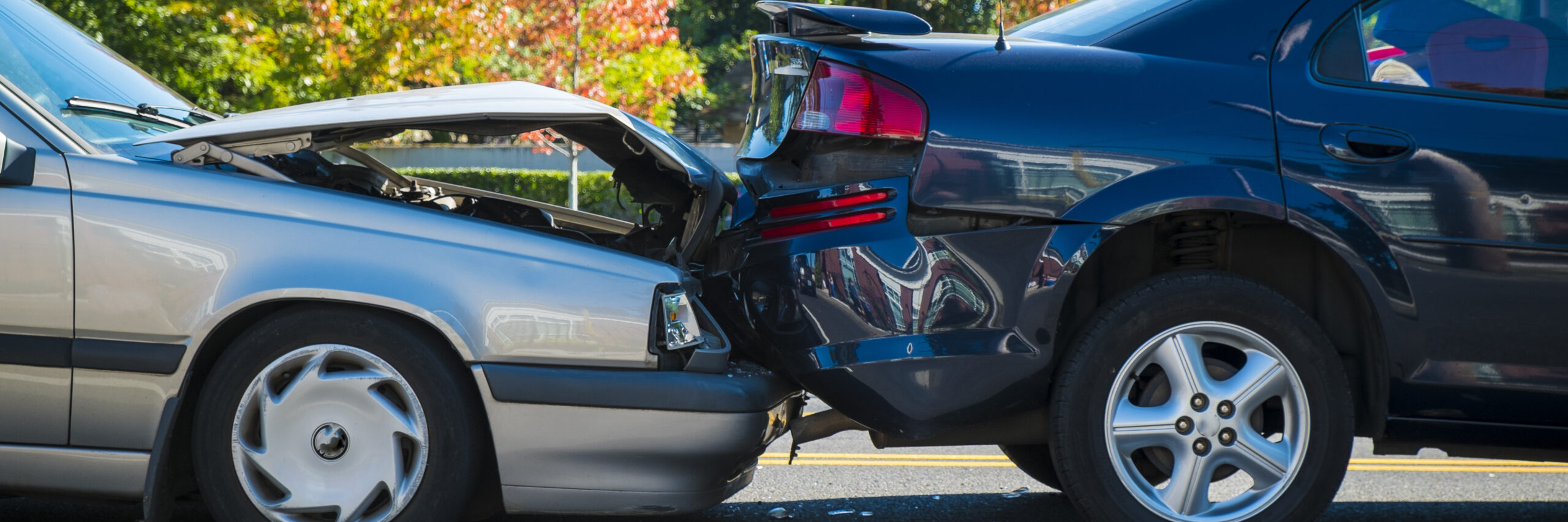
Rear-end collisions are among the most common types of traffic accidents on California roads—whether it’s a minor bumper-tap in congested city traffic or a serious crash on the freeway. While many people assume fault is obvious in these crashes, the legal reality is often far more complex.
Understanding how fault is determined under California law, the exceptions to common assumptions, and how car crash lawyers assist injured victims can make a significant difference in your recovery.
When the Rear Driver May Not Be at Fault in California
Although the rear driver is often presumed to be responsible, this presumption is not absolute. The law allows the rear driver to rebut that assumption with evidence showing that the lead driver, road conditions, vehicle defects, or other factors contributed to the collision.
Some common scenarios where fault may shift, or at least be shared, include:
- Sudden or unnecessary braking by the lead driver, without a legitimate cause
- Unsafe lane changes or turns by the front car that force it into the path of the following driver
- Malfunctioning brake lights or other vehicle defects, which can deprive the trailing driver of proper notice
- Reversing unexpectedly into the following vehicle
When these or other negligent acts by the lead driver are proven, fault can be shared or even placed entirely on the front driver, depending on the evidence.
Comparative Fault and Shared Responsibility in California
California follows a pure comparative negligence system. This means that even if you are partially at fault for the accident, you may still be eligible to recover damages—but your award will be reduced proportionally to your percentage of responsibility. For example, if you were found to be 20% at fault and the other driver 80%, your total recovery would be reduced by your share of fault.
Comparative negligence becomes especially important in rear-end cases with disputed facts. If the lead driver’s abrupt actions contributed to the crash, both parties may carry a share of liability, and the court or insurer will weigh evidence to assign percentages.
The Importance of Evidence in Determining Fault
Whether you are filing an insurance claim or pursuing a personal injury lawsuit, evidence is crucial. Determining who was at fault in a rear-end crash often depends on reconstructing what happened before, during, and after the collision.
Key forms of evidence include:
- Police Reports: Official traffic collision reports include officer observations, citations issued, and diagrams of the crash
- Dashcam or Surveillance Footage: Video evidence can show vehicle speeds, braking behavior, and the sequence of events
- Photographs of the Scene: Images of vehicle positions, damage patterns, and skid marks help reconstruct the dynamics of the collision
- Witness Statements: Independent eyewitnesses can provide unbiased accounts of how the crash unfolded
- Accident Reconstruction Reports: In complex cases, experts can analyze evidence to determine vehicle speeds and driver behavior
Strong evidence not only helps establish fault but also bolsters your credibility with insurance companies, which might otherwise try to minimize or deny your claim.
Navigating Insurance and Legal Claims in California
Insurance companies have their own interests and may attempt to reduce your claim by arguing you were at fault or that your injuries aren’t severe. This is where legal understanding and advocacy become invaluable.
A skilled car accident lawyer can:
- Handle communications with insurers so you don’t inadvertently weaken your claim
- Gather and present evidence to support your case
- Calculate fair compensation for medical bills, lost income, pain and suffering, and other damages
- Advocate for your rights in negotiations or in court, should litigation become necessary
In rear-end collisions, insurance adjusters often start with the default assumption that the rear driver was negligent—but with legal support, that narrative can be challenged when the facts justify it.
Contact the Santa Ana Car Accident Attorneys at Robles Babaee, Personal Injury Lawyers for Help Today
Rear-end collisions in California may seem straightforward, but assigning fault and securing rightful compensation often requires careful legal analysis and strategic advocacy. Whether you were hit from behind or find yourself facing an insurance company’s attempt to minimize your recovery, experienced legal representation can help protect your rights and guide you through each step of the claims process.
If you’re dealing with the aftermath of a rear-end crash and need personalized guidance, contact Robles Babaee, Personal Injury Lawyers for a free consultation.
Robles Babaee, Personal Injury Lawyers
1851 E 1st St Suite 810, Santa Ana, CA 92705
(714) 263-3700